Safety doesn’t happen by accident—neither does a strong safety culture. Yet in high-pressure environments like construction, manufacturing, and field operations, safety meetings often become routine, predictable, and forgettable. The result? Workers tune out, risks go unaddressed, and preventable incidents occur.
The solution isn’t longer meetings or more rules. It’s relevance. It’s engagement. It’s using the right toolbox talk topics—100 of them, to be exact—that speak directly to the hazards workers face daily.
This is not a generic list of safety clichés. These are actionable, field-tested topics designed to spark real conversation, uncover blind spots, and reinforce behaviors that save lives.
Why 100 Topics Matter
Most safety programs rely on a small set of recurring themes: PPE, slips and falls, fire safety. While important, repetition without variety breeds complacency.
Having 100 distinct toolbox talk topics allows safety leaders to:
- Rotate content monthly (or weekly) to maintain freshness
- Tailor discussions to current projects, seasons, or equipment use
- Address both common and overlooked hazards
- Meet regulatory requirements without sounding like a script
More importantly, variety keeps people listening. When workers hear something new—especially something that mirrors their actual experience—they pay attention.
How to Use
These Topics Effectively
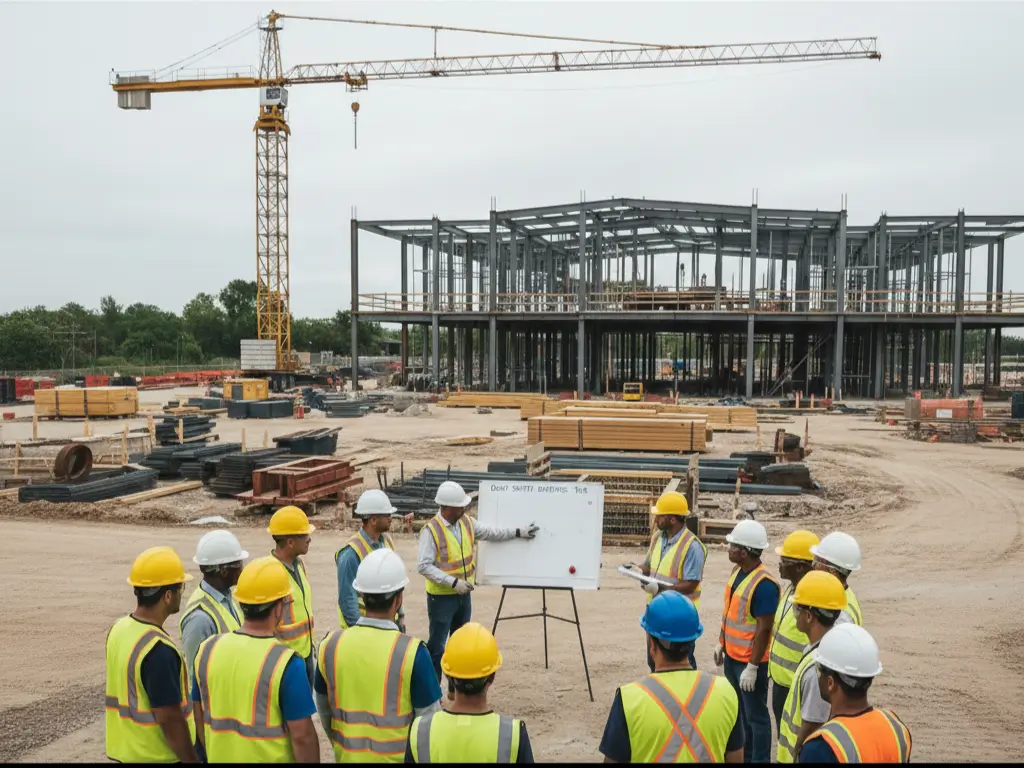
A toolbox talk only works if it’s more than a checklist read aloud. These topics must be delivered with context, interaction, and follow-up.
Best practices:
- Limit talks to 10–15 minutes – Respect workers’ time
- Start with a real incident – “Last week in Texas, a worker lost a finger because…”
- Ask open-ended questions – “What would you do if you saw this?”
- Invite input – Let crews share near misses or suggestions
- Document attendance and topic – For compliance and tracking
Avoid turning these into lectures. The goal is dialogue, not delivery.
100 Practical Toolbox Talk Topics (Organized by Category)
Below are 100 actionable, hazard-focused topics—grouped for easy planning—designed to cover a full year of safety meetings with zero repetition.
- #### Personal Protective Equipment (PPE) – 12 Topics
- When to replace hard hats
- Choosing the right gloves for chemical exposure
- Proper fit and use of safety glasses
- Hearing protection in high-noise zones
- Respirator fit testing and seal checks
- High-visibility clothing requirements
- Fall protection harness inspection
- PPE for extreme heat vs. cold
- Limitations of steel-toed boots
- Face shields vs. safety goggles: when to use each
- PPE for confined space entry
- Common PPE mistakes on the job
- #### Fall Protection – 10 Topics
- Proper anchor point selection
- Ladder safety: extension vs. step ladders
- Guardrails vs. personal fall arrest systems
- Fall protection on scaffolds
- Roof edge awareness and signage
- Using lifelines correctly
- Fall rescue planning
- Working near skylights
- Fall risks during night work
- Inspecting lanyards and connectors
- #### Electrical Safety – 10 Topics
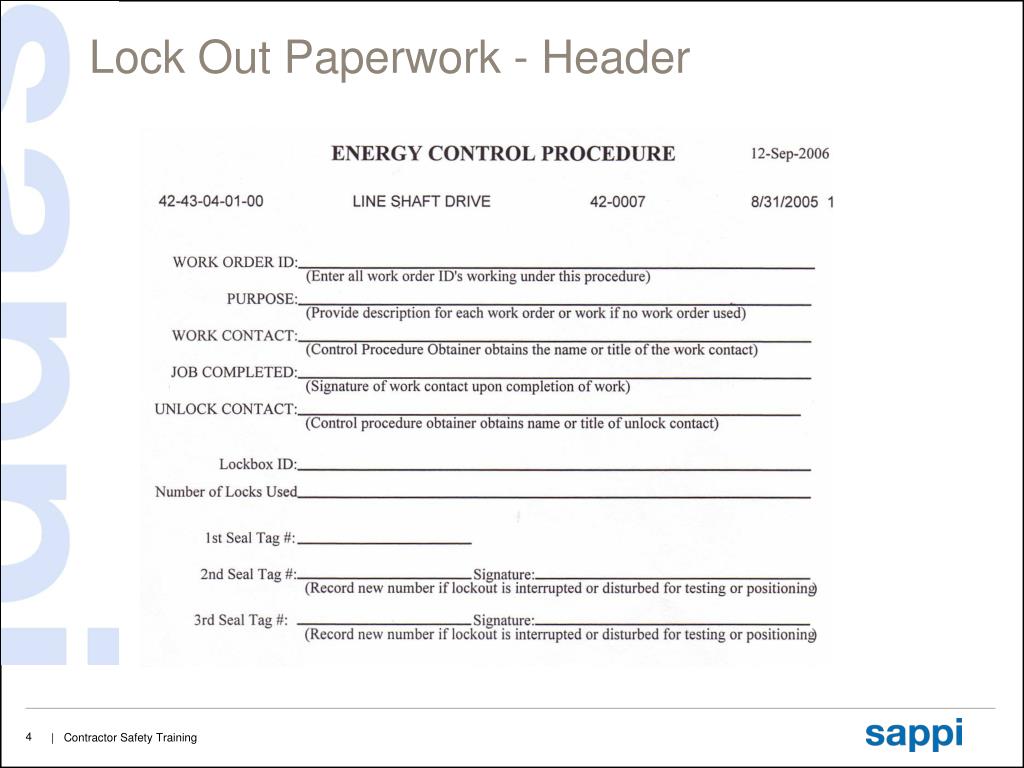
- Lockout/Tagout (LOTO) procedures
- Identifying damaged cords and tools
- Working near overhead power lines
- Using GFCI outlets on job sites
- Safe use of extension cords
- Electrical panel access and clearance
- Arc flash hazards and PPE
- Testing for live circuits
- Battery safety for power tools
- Temporary wiring hazards
- #### Hazard Communication & Chemical Safety – 8 Topics
- Reading Safety Data Sheets (SDS)
- Proper labeling of containers
- Chemical storage dos and don’ts
- Spill response procedures
- Ventilation when using solvents
- Skin exposure risks with chemicals
- Mixing chemicals: hidden dangers
- Emergency showers and eyewash use
- #### Material Handling & Ergonomics – 10 Topics
- Proper lifting techniques
- Team lifting: coordination and communication
- Using dollies and forklifts safely
- Stacking materials safely
- Manual handling of long materials (pipes, lumber)
- Repetitive motion injuries
- Push vs. pull: which is safer?
- Awkward postures in tight spaces
- Vibration exposure from tools
- Workspace setup for ergonomics
- #### Fire & Emergency Preparedness – 8 Topics
- Fire extinguisher types and use (PASS method)
- Evacuation routes and assembly points
- Hot work permits and fire watches
- Flammable liquid storage
- Responding to a fire alarm
- Carbon monoxide risks in enclosed spaces
- Emergency communication during incidents
- First aid kit contents and access
- #### Machinery & Equipment Safety – 10 Topics
- Machine guarding requirements
- Pre-use inspection checklist for tools
- Safe operation of power saws
- Grinder safety and wheel inspection
- Using nail guns safely
- Conveyor belt safety
- Hydraulic system hazards
- Preventing entanglement in rotating parts
- Equipment startup and shutdown checks
- Unauthorized equipment use
- #### Worksite-Specific Hazards – 12 Topics
- Trenching and excavation safety
- Confined space entry procedures
- Working near traffic zones
- Night shift safety considerations
- Weather-related hazards (heat, cold, wind)
- Housekeeping and trip hazards
- Dust control and respiratory protection
- Noise exposure monitoring
- Overhead crane safety
- Underground utility awareness
- Welding fumes and ventilation
- Working at height on mobile lifts

- #### Behavioral & Cultural Safety – 10 Topics
- Near miss reporting: why it matters
- Peer accountability in safety
- Fatigue and impaired performance
- Distractions on the job (phones, personal issues)
- Stress and decision-making
- Speaking up about unsafe conditions
- Safety leadership from supervisors
- New worker orientation and mentoring
- Safety observations and feedback
- Complacency: the silent hazard
- #### Seasonal & Situational Topics – 10 Topics
- Heat stress prevention in summer
- Winter gear and slip prevention
- Spring cleanup hazards
- Fall leaf and debris removal safety
- Holiday rush and safety shortcuts
- Storm preparedness on site
- Working during power outages
- Visitor safety on site
- Post-storm damage assessment
- End-of-project hazard review
Turning Topics into Real Change
A list of 100 topics is useless without execution. The difference between a compliant meeting and a meaningful one lies in delivery.
Example: Instead of saying, “Wear your hard hat,” try: “Last month, a worker in Ohio was hit by a dropped tool from above. He survived because his hard hat absorbed the impact. But the hat cracked—would yours have? When did you last inspect yours?”
That’s engagement. That’s memory.
Pro tip: Rotate topics by crew. Let electricians lead talks on electrical safety, welders on fume hazards. Ownership increases buy-in.
Also, revisit topics after incidents. If someone slips, pull up the “slip, trip, fall” talk and discuss what went wrong.
Common Mistakes to Avoid
Even with great topics, safety meetings fail when leaders:
- Read from a script – Workers detect disengagement
- Skip documentation – No proof of training for audits
- Ignore site-specific risks – Generic talks feel irrelevant
- Never follow up – No accountability on action items
- Schedule talks last thing Friday – Attention is lowest
Fix this by aligning topics with current work, involving crews, and keeping records consistent.
Maximize Impact: Tools & Resources
While these 100 topics form the foundation, using supporting tools increases effectiveness.
- Recommended Resources:
- iAuditor by SafetyCulture – Digital checklists and talk tracking
- Workhub – Microlearning platform for safety topics
- SafetyTek – Toolbox talk library with visuals
- Osha.gov – Free guides and printable materials
- SafeSite Plus – Compliance tracking and reporting
These platforms help schedule, deliver, and audit safety talks—ensuring you’re not just talking, but improving.
Closing: Make Safety Stick
A toolbox talk isn’t a box to check. It’s a moment to connect, inform, and protect. With 100 targeted topics, you have the content. Now focus on the delivery.
Use real stories. Ask real questions. Listen to the answers.
Rotate topics monthly. Involve your team. Reinforce good behavior. And never let safety become background noise.
Start today. Pick one topic from the list. Gather your crew. Talk. Listen. Act.
Safety isn’t a policy. It’s a practice—one conversation at a time.
FAQ
What should you look for in 100 Toolbox Talk Topics to Boost Workplace Safety? Focus on relevance, practical value, and how well the solution matches real user intent.
Is 100 Toolbox Talk Topics to Boost Workplace Safety suitable for beginners? That depends on the workflow, but a clear step-by-step approach usually makes it easier to start.
How do you compare options around 100 Toolbox Talk Topics to Boost Workplace Safety? Compare features, trust signals, limitations, pricing, and ease of implementation.
What mistakes should you avoid? Avoid generic choices, weak validation, and decisions based only on marketing claims.
What is the next best step? Shortlist the most relevant options, validate them quickly, and refine from real-world results.